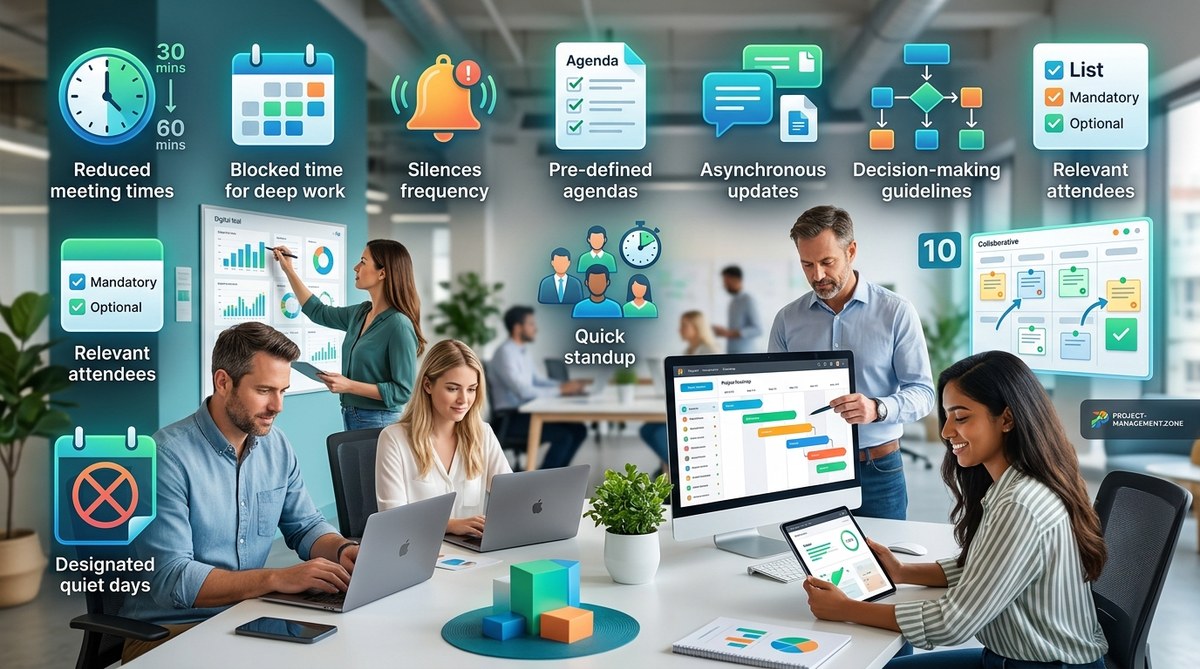
You are leading a project team. Deadlines slip. Tasks fall through the cracks. Someone says “I thought you were handling that.” Sound familiar? Accountability is the invisible engine that keeps a project on track. Without it, even the best plan turns into chaos. The good news is that accountability is not a personality trait. It is a system you can build. Let us look at how you can create a culture where ownership is the norm, not the exception.
Building project management accountability requires clear expectations, the right tools, and consistent follow through. Start by defining ownership for every task. Use a central system to track progress. Hold short, regular check ins. Celebrate wins and address misses without blame. This guide gives you a step by step framework to make it stick.
What Accountability Really Means for Your Team
Accountability is often confused with punishment. When a project manager says “I need more accountability,” team members hear “I will get in trouble if I fail.” That is a mistake. Real accountability is about ownership. It means each person understands their role, agrees to deliver, and knows their work matters to the whole group.
Think about a sports team. Every player knows their position. They know what to do when the ball comes their way. They do not wait for someone else to step in. That is accountability in action. Your project team needs the same clarity.
A culture of accountability starts with safety. People must feel safe to admit mistakes early. If a developer realizes a task will take three extra days, they should flag it without fear. When you remove the fear of blame, you remove the incentive to hide problems. That is where real progress begins.
The Foundation: Clear Expectations and Visible Work
You cannot hold someone accountable for something they did not understand. The first step is making expectations crystal clear. Vague tasks like “improve the dashboard” create confusion. Instead, write tasks that define the outcome, the deadline, and the standard of quality.
Here is a simple framework to write tasks that stick:
- Define the deliverable. What exactly needs to be done? Example: “Create a login page with email and password fields.”
- Set a specific deadline. Use a date, not a relative term. Example: “Due by Friday, March 12, 2026 at 5:00 PM ET.”
- Assign one owner. Never assign a task to a group. Pick one person. They can delegate, but they own the result.
- State the acceptance criteria. How will you know it is done? Example: “Page loads under two seconds. Passes all accessibility checks.”
- Link the task to a goal. Why does this matter? Example: “This supports the Q1 user growth target.”
Once expectations are set, make the work visible. Use a shared project management tool. A simple Kanban board or a task list works well. When everyone can see the status of every task, accountability becomes natural. Hiding is no longer an option.
The 5 Step Process to Build Accountability
This process works for any team, whether you are using Agile, Waterfall, or a hybrid approach. Follow these steps to shift your team from passive to proactive.
-
Set the stage with a kickoff conversation. Do not just assign tasks in the tool. Sit down with the team (or hop on a video call). Walk through the project goals. Ask each person what they need to succeed. This builds buy in from the start.
-
Document everything in one place. Use a single source of truth. This could be a tool like Jira, Asana, or even a shared spreadsheet. The key is that every task, deadline, and owner is visible to the whole team. No more digging through email threads.
-
Hold daily or weekly check ins. Keep these short. A 15 minute stand up meeting works well. Each person answers three questions: What did I do yesterday? What will I do today? What is blocking me? This creates a rhythm of public commitment.
-
Review progress publicly. At the end of each sprint or milestone, show the results. Celebrate what went well. Discuss what did not go as planned. Frame misses as learning opportunities, not failures. This reinforces the idea that accountability is about growth.
-
Follow through on commitments. If someone misses a deadline, talk to them one on one. Ask what happened. Offer support. If the same issue repeats, adjust the process. Maybe the task was too big. Maybe the person needs more training. Fix the system, not the person.
Common Mistakes That Kill Accountability
Even with the best intentions, teams fall into traps. Here is a table that contrasts healthy accountability practices with common mistakes.
| Healthy Practice | Common Mistake |
|---|---|
| Assign one owner per task | Assign a task to a whole team |
| Set clear deadlines | Use vague timelines like “soon” |
| Check in regularly | Only review at the end of the project |
| Celebrate small wins | Only focus on failures |
| Ask “what can we improve?” | Ask “who is to blame?” |
| Use a shared tool | Rely on email and memory |
| Offer support for blockers | Expect people to figure it out alone |
Avoiding these mistakes is half the battle. The other half is building systems that make the right behavior easy.
Tools That Support Accountability
Your choice of tools can make or break your accountability efforts. You need a system that makes work visible, automates reminders, and provides a clear history of changes. Here are some categories to consider:
- Task management platforms. Tools like Jira, Trello, or Asana let you assign tasks, set due dates, and track progress. They are the backbone of visible work.
- Communication tools. Slack or Microsoft Teams can be used for daily check ins. Create a dedicated channel for status updates.
- Documentation tools. Confluence or Notion help you keep project plans, meeting notes, and decision logs in one place.
- Time tracking tools. Harvest or Toggl can help you understand how long tasks actually take. This data helps you set better deadlines in the future.
For a deeper look at the best options available, check out this guide on top project management tools to boost your team’s efficiency. The right tool reduces friction and makes accountability feel automatic.
How to Handle Missed Commitments Without Damaging Trust
No matter how good your system is, people will miss deadlines. How you respond determines whether trust grows or shrinks. Follow these steps when a commitment is broken:
- Assume good intent. Start the conversation with curiosity, not accusation. Say “I noticed the report was not submitted yesterday. What happened?”
- Listen first. Let the person explain without interrupting. There might be a blocker you did not know about.
- Solve the root cause. If the task was too big, break it down. If the person was overloaded, reprioritize. If the deadline was unrealistic, adjust it.
- Reset the commitment. Agree on a new deadline and confirm the owner. Write it down in your tool.
- Follow up. Check in before the new deadline to offer support. Do not wait until it is late again.
“Accountability is not about catching people doing something wrong. It is about creating an environment where everyone feels responsible for the outcome.” — Rodolfo Siles, PMP
The Role of the Project Manager in Building Accountability
You set the tone. If you are late to meetings, miss your own deadlines, or blame others, your team will mirror that behavior. Model the accountability you want to see. Here is what that looks like in practice:
- Admit your own mistakes. If you forgot to send a status update, say so. This shows that accountability applies to everyone.
- Be consistent. Follow the same check in process every week. Do not skip it when things get busy. Consistency builds trust.
- Provide context. Explain why a task matters. When people see the bigger picture, they care more about the outcome.
- Remove blockers. If a team member is stuck, help them. Clear the path so they can deliver.
You are not the police. You are the coach. Your job is to set the conditions for success, not to micromanage every step.
A Practical Weekly Accountability Routine
Here is a simple routine you can start this week. It takes less than 30 minutes total.
- Monday morning (15 minutes). Review the task board with your team. Confirm everyone knows their top three priorities for the week.
- Wednesday midday (5 minutes). Send a quick message to each person. Ask “How is everything going? Any blockers?”
- Friday afternoon (10 minutes). Hold a brief retro. Ask each person to share one win and one challenge from the week. Write down action items for next week.
This routine creates a natural cadence of accountability. It is not heavy. It is not bureaucratic. It simply keeps everyone aligned.
When Your Team Resists Accountability
Resistance usually comes from fear. Someone might have had a bad experience with a previous manager who used accountability as a weapon. To overcome this, you need to build psychological safety.
Start small. Pick one low stakes task and test the process. Show the team that accountability leads to support, not punishment. Over time, trust will grow.
Another common resistance is the “not my job” mindset. This happens when roles are unclear. Revisit your project charter or RACI matrix. Make sure every person knows exactly what they own. If you need help with this, read about master effective project planning strategies for seamless delivery.
Signs Your Accountability Culture Is Working
You will know the culture is shifting when you see these behaviors:
- Team members update their task status without being reminded.
- People flag risks early, before they become problems.
- Deadlines are met more consistently.
- The team celebrates wins together.
- Blame is replaced with problem solving language like “what can we learn from this?”
When you see these signs, you have built something sustainable. Accountability is no longer something you enforce. It is something the team owns.
Your First Step Toward a More Accountable Team
Pick one thing from this guide and do it tomorrow. Maybe it is writing clearer tasks. Maybe it is starting a daily stand up. Maybe it is having a one on one conversation with someone who is struggling. The key is to start. You do not need to overhaul your entire process at once. Small changes compound over time.
Building a culture of project management accountability is not a one time event. It is a continuous practice. Keep refining your system. Keep having honest conversations. Keep modeling the behavior you want to see. Your team will follow your lead. And when they do, your projects will run smoother, your stakeholders will be happier, and your work will feel a lot less stressful.
Start today. Your future self will thank you.